Best Climbing Spots in Poland
Poland has a deep and serious climbing tradition, rooted in the high peaks of the Tatra Mountains and expressed across a varied landscape of limestone crags, granite tors, and glacial boulders. Polish climbers have long counted among the world's boldest alpinists, and the domestic scene centres on the beautiful Jura uplands of white limestone and the dramatic granite of the Tatras, with quieter granite in the Sudetes and scattered boulders across the north. The areas below are the essentials, reachable from gateway cities such as Kraków, Katowice, and Warsaw; find them all on the map.
The Jura Krakowsko-Częstochowska
The Jura Krakowsko-Częstochowska, the limestone upland that runs roughly between Kraków and Częstochowa, is the heart of Polish rock climbing. Its rolling countryside is studded with white limestone outcrops, free-standing towers, and crags, dotted with the ruined castles of the medieval "Trail of the Eagles' Nests," and it holds many thousands of routes across a huge spread of grades. The most famous spot is Podzamcze, beneath the great ruin of Ogrodzieniec Castle, where pale rock pinnacles rise straight out of the fields. The climbing is overwhelmingly sport and trad on featured, pocketed limestone, with everything from gentle slabs to steep, technical walls. The density of crags, the short approaches, and the beauty of the landscape make the Jura a beloved destination for Polish and visiting climbers alike. Kraków, with its international airport at Balice, is the natural base, and most Jura crags lie within an hour to ninety minutes' drive to the northwest.
Getting around the Jura is straightforward by car; hiring one in Kraków and driving up the A1 or national roads toward Częstochowa puts you within reach of dozens of sectors. Accommodation ranges from budget campsites at the foot of the crags to guesthouses in villages like Ogrodzieniec itself. Entry to the outdoor areas is generally free, though some paths pass through private land and a small donation or parking fee is occasionally requested. The limestone is best when dry — avoid the crags for a day or two after heavy rain, as the pocketed rock can stay greasy.
The Tatra Mountains
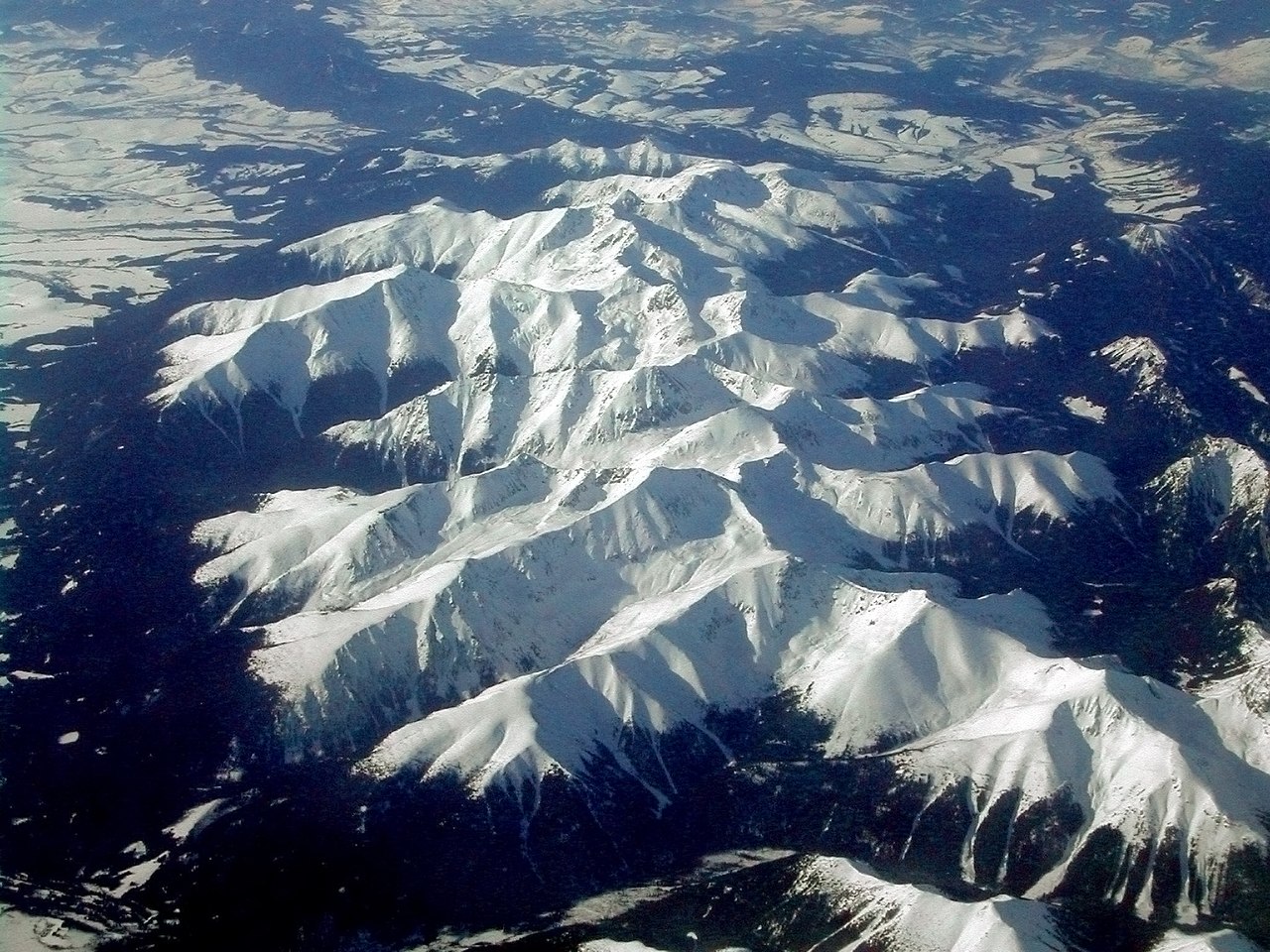
The Tatras, on the border with Slovakia south of Zakopane, are Poland's only true high mountains and the cradle of its alpine tradition. These granite peaks hold serious multi-pitch routes, alpine ridges, and a history central to Polish mountaineering. The most storied objective is Mnich ("The Monk"), the elegant granite tower above the famous glacial lake of Morskie Oko (about 1,395 m), reached on foot from the road-head at Palenica Białczańska. Other classics include the airy summit of Kościelec and the long ridge traverses over peaks such as Rysy, the highest point in Poland at 2,499 m. The mountains demand respect: weather can turn violently, afternoon thunderstorms are common in summer, and many routes are committing. Most of the range lies within Tatra National Park, so a modest entry fee applies and access rules must be respected. Summer, from roughly late June through September, is the season for the high routes, and standard alpine precautions — the UIAA publishes good guidance — apply in full.
Zakopane, the mountain resort town at the foot of the Tatras, is the natural base. It has a wide range of accommodation, from budget hostels to comfortable hotels, and a lively outdoor culture with gear shops and mountain guides available. The approach to Morskie Oko from Palenica Białczańska is a popular walk even for non-climbers, and horse-drawn carriage rides are offered for part of the route in the warmer months. Climbers tackling the steeper granite routes should carry a rack, be comfortable with route-finding on unmarked terrain, and ideally check in with a local guide service for current conditions.
Podlesice, Rzędkowice, and the Jura Crags
Within the Jura, named areas like Podlesice, Rzędkowice, Bolechowice, and the Będkowska Valley (Dolina Będkowska) offer concentrated, high-quality climbing. The Rzędkowice rocks are a maze of towers popular with beginners and families, while the Bolechowice gate and the Będkowska Valley near Kraków hold steeper, harder lines and longer walls, including some of the region's tallest faces. These crags carry classic routes and a strong local scene, mixing bolted sport climbing with traditional lines on naturally protected limestone. They are the everyday venues of Polish climbing, served by a dense network of guesthouses, campsites, and mountain huts, and they offer reliable rock through the warmer months. The compactness of the Jura means a climber can sample several distinct crags in a single weekend.
Dolina Będkowska is particularly striking — a limestone canyon carved by a seasonal stream, with walls rising on both sides and a mix of short single-pitch sport routes and longer trad lines. It sits close enough to Kraków's suburbs that local climbers use it after work. Bolechowice, just to the west, is known for its overhanging sectors and harder sport routes. Together these areas form the training ground where generations of Polish alpinists have built their technical skills before heading to the Tatras and beyond.
Granite, Sandstone, and Bouldering
Beyond the limestone, Poland holds granite and sandstone that broaden the national offering. In the Sudetes of the southwest, the Sokoliki crags of the Rudawy Janowickie are the country's best granite cragging outside the Tatras — solid, friction-rich rock with both trad and bolted routes, and a long history as a training ground for alpinists. The area sits above the town of Jelenia Góra and can be reached by train from Wrocław. In the north, Pomerania and the lake districts hold scattered glacial erratic boulders left by the ice sheets, giving low-key bouldering and training away from the mountains. Sandstone areas add further variety. The steady development of new venues, and a wave of strong indoor gyms in cities like Warsaw, Kraków, and Wrocław, reflects the strength and growth of the Polish scene and serves its large urban climbing population.
History and Alpine Tradition
Poland's climbing identity is bound up with its alpine and high-altitude tradition. Polish climbers earned a legendary reputation in the Himalaya and Karakoram, above all for bold winter ascents of the highest peaks — the so-called "Ice Warriors" who made the first winter ascents of most of the 8,000-metre giants in the 1980s, including Mount Everest. Names like Wanda Rutkiewicz, Jerzy Kukuczka, and Krzysztof Wielicki are woven into the history of world mountaineering. Kukuczka became only the second person to climb all fourteen 8,000-metre peaks, and Rutkiewicz was the first European woman to summit Everest. This spirit of commitment and endurance, forged partly in the harsh winters of the Tatras and the long apprenticeships on Jura limestone and Sokoliki granite, still runs through the national climbing culture. Climbing in Poland carries the weight of this proud history.
Season and Conditions
Polish climbing is largely a warm-season affair. The Jura limestone climbs well from spring through autumn, with May, June, September, and October often offering the best friction and most comfortable temperatures, while high summer can be hot on south-facing walls. The Tatra high routes come into condition in summer, once the snow has cleared from the gullies, and remain best through September. The Sudetes granite of Sokoliki follows a similar spring-to-autumn rhythm. The continental climate brings cold, snowy winters, though the bold winter alpine tradition continues in the mountains for those with the experience and equipment. Spring and autumn are the sweet spots for the rock crags; carry layers, as mountain weather and even Jura mornings can be cool.
Where will you go first?
Poland rewards a trip that balances accessible limestone with serious mountain climbing. A classic plan bases in Kraków, spends days on the Jura crags around Podzamcze, Rzędkowice, and the Będkowska Valley, then heads south to Zakopane and the Tatras for the granite of Mnich and the high ridges, perhaps adding the Sokoliki granite in the Sudetes. Warsaw's Chopin Airport and Kraków's Balice Airport both receive international flights, making Poland easy to reach from across Europe. Use the interactive map to connect the Jura crags between Kraków and Częstochowa with the granite peaks of the Tatras, and to discover the wider Polish climbing landscape.